




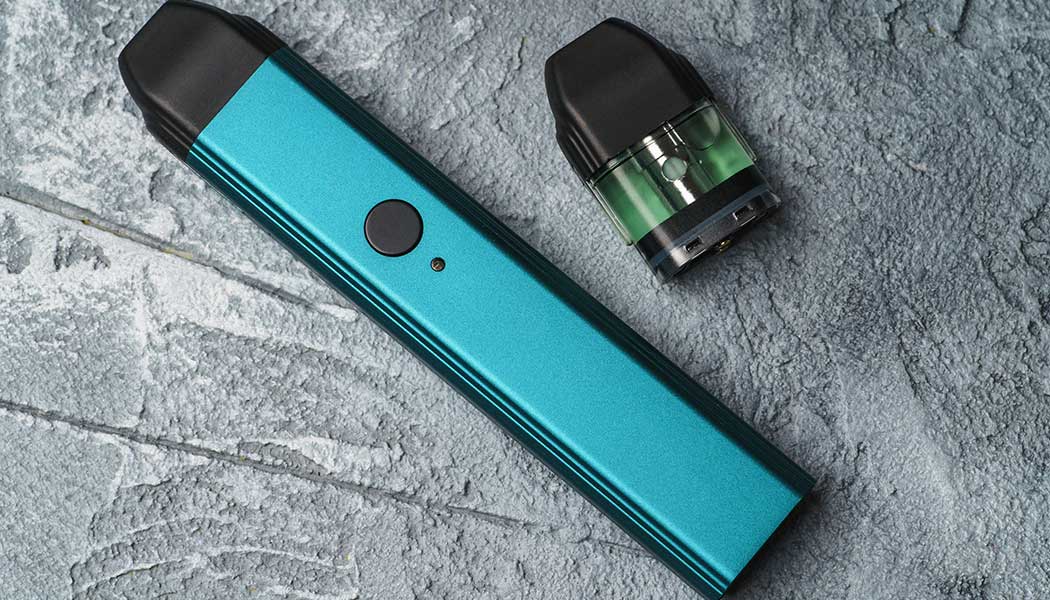
While policy verbiage like “small”, “cartridge-based”, and “flavored” offer strong indications of product types the FDA’s new enforcement policy will target, it also made clear that enforcement efforts will apply to all Electronic Nicotine Delivery Systems (ENDS) marketed without FDA authorization—a segment which, as it stands now, accounts for the majority of the industry.
Companies that manufacture, distribute, or sell unauthorized ENDS—those that have not applied for FDA’s pre-market approval—must cease doing so within 30 days of the policy release, the FDA says. FDA guidance documents, such as this policy, represent FDA’s current thinking and suggestions rather than legally enforceable requirements.
The FDA describes products subject to the policy's enforcement efforts as:
To read the full policy on FDA.gov, click here.
May 12th, 2020 is the deadline by which an ENDS manufacturer should submit a pre-market application. If a manufacturer has received “negative action” by the FDA after submitting an application by that date, those products will also be unauthorized for sale.
The FDA provides examples of “adequate measures” to prevent minors’ access, which include the implementation of age verification technology to prevent underage purchases on the internet, among other programs specifically in place to block underage access.
In a March 2019 release, the FDA gave an example of what appropriate online age verification looks like: "independent, third-party age- and identity-verification services that compare customer information against third-party data sources, such as public records." Real age verification is more than a simple age gate asking the customer to self-certify their age, though this was the norm not long ago. Businesses now use, as recommended by the FDA, specialized software that confirms customers are who they say they are before an online sale is authorized.
AgeChecker.net age verification software utilizes this approach to verify customer age, and performs manual ID checks for unverifiable information. We continue to adapt our product and features to meet FDA standards.
Kid-friendly marketing and vape flavors (e.g. a flavor that mimics a popular kids cereal brand, candy, or the like) have long been prohibited, but exist nonetheless, and are thus listed as another major policy directive. Statistics show that the most popular vape devices among youths are cartridges and pods, launching those products to the top of the policy’s priority list.
As the policy’s effects ripple through the market, the FDA will continue to measure youth use—the rise of which began in 2016 when the FDA took the industry under governance with a deeming rule that grouped vape under tobacco's definition. What began as a relatively simple minimum age policy and guidelines for vape retailers to comply grew into the strict regulations we see today, parallel to growing underage use.
At the outset of the FDA's new role, it issued pre-market approval requirements and other regulatory guidance programs—and most deadlines were followed by extensions. Enforcement was mild, relative to the present day. Over time the FDA devoted more resources to monitoring the industry through programs like secret shopper visits and internal investigations. Warning letters turned into steeper and steeper fines, and non-compliance penalties for selling to underage customers took on a variety of forms.
State and city governments gradually raised the legal age to purchase tobacco products to combat what the agency deemed a teen vaping epidemic. Jurisdictions took their own approaches; some enacted vape product bans while others filed lawsuits against vape businesses linked to underage sales. The mix of reactions to underage vaping in the U.S. culminated in the federal legal tobacco age moving from 18 to 21 on December 20th, 2019 when the President signed legislation to amend the Federal Food, Drug, and Cosmetic Act.
Public opinion was, and still is, well heard throughout the country, reflecting a divide between anti- and pro-tobacco advocates in response to new and proposed regulations. The industry sits on shifting grounds as regulators search for ways to curb youth vaping.
We expect more legal guidance for ENDS retailers. Until then, vape business are wise to stay abreast of current policies.
